Ekoda Fujizuka
江古田の富士塚(浅間神社) · Ekoda Fujizuka
- Ward
- Nerima
- Price
- Free
- Hours
- Open for climbing only on set
- Closed
- Closed outside the dates above
- Getting there
- 30 seconds from the north exit of Ekoda Station (Seibu Ikebukuro Line)
- Founded
- 1839
- You can climb it on about three occasions a year
- A mountain built in town for those who could not reach the real one
- Heeled shoes will not do
We do not republish copyrighted photographs. Use the links below to see the actual venue.
Obvious to locals, invisible to visitors
There is a simple reason guidebooks leave this out: to the people who live here it is too obvious to be worth explaining.
It is closed for conservation most of the year. Climbing is permitted only over the first three days of January, on 1 July for the opening of the mountain, and on the second Saturday and Sunday of September during the shrine's annual festival. On 1 July the hours are 9am to about 3pm.
Born of the Fuji devotion that flourished in the Edo period, these mounds were raised so that people who could never make the climb could still make the pilgrimage — the merit was held to be the same. The surface is faced with genuine lava carried from the mountain.
Eight metres sounds like nothing, but the path is built from stacked natural rock and the footing is uneven. Heels are entirely unsuitable, and after rain the surface turns slippery. Visitors are advised to bring a handkerchief or towel.
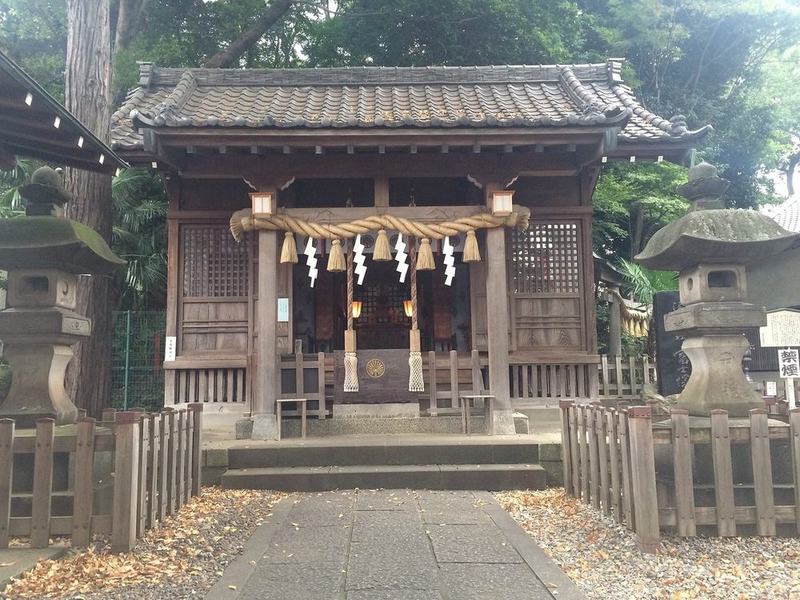
The mound sits directly behind the shrine hall, and the shrine itself is a site of Fuji devotion — so the order is to pay respects first, then climb. Follow the path and mark off the stations as you go, first, second, and on up.
Step out of the north exit at Ekoda and it is right there. A nationally designated folk cultural property standing in front of a station — plenty of people walk past without noticing. A tunnel beside the shrine entrance leads under the tracks to a strip of restaurants and bars.
What it is
A man-made Mount Fuji, raised in the middle of a neighbourhood by Edo townspeople who could not make the real pilgrimage. At roughly eight metres high and thirty across it is among the largest in Tokyo, designated an Important Tangible Folk Cultural Property. Said to date from 1839. It is faced with lava from Fuji itself; a stone shrine crowns the summit, and stone figures of tengu and sacred monkeys stand at the base. Directly outside the north exit of Ekoda Station.
What to order
Why locals keep coming
More than sixty of these mounds survive in Tokyo; only five hold the national Important Tangible Folk Cultural Property designation, and this is one. It is closed for conservation most of the year, opening for climbing only on set dates.