01
Carry Cash (¥1,000 Bills)
Many Showa-era cafes, standing bars, and neighborhood bakeries remain cash-only. Keep ¥1,000 notes and ¥100 coins handy for smooth payment.
Alley food, Showa-era cafes, late-night bars and subculture that guidebooks leave out — with the ordering etiquette and unwritten rules locals never explain.
 #001Only HereChiyoda
 #002Chiyoda
 #003Only HereChiyoda
 #004Only HereChiyoda
 #005Only HereChiyoda
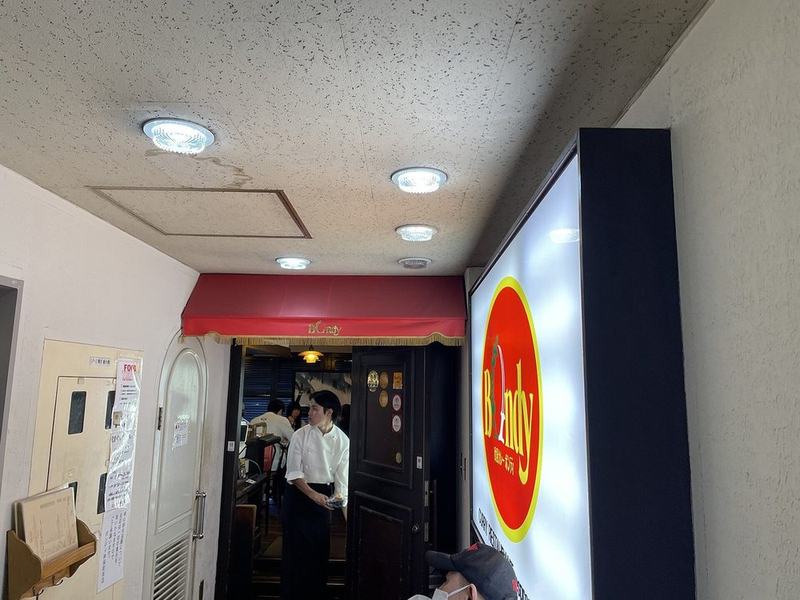 #007Chiyoda
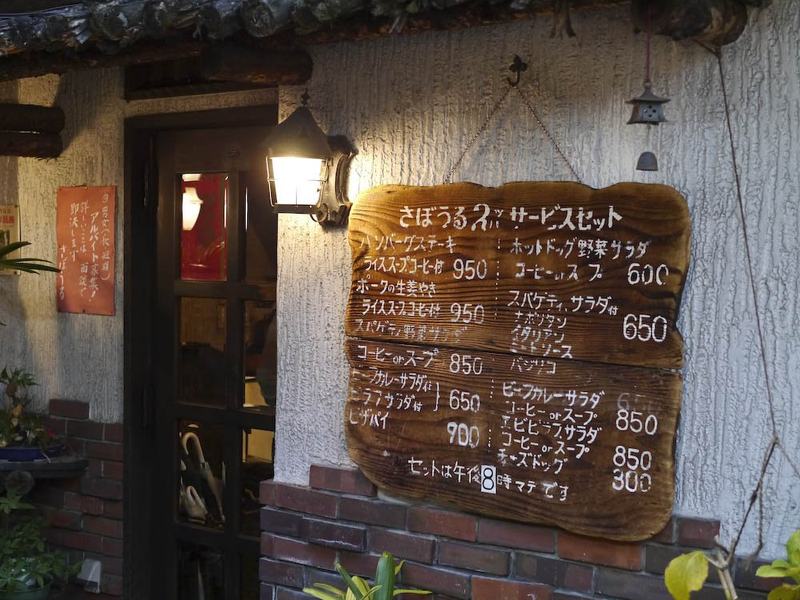 #008Only HereChiyoda
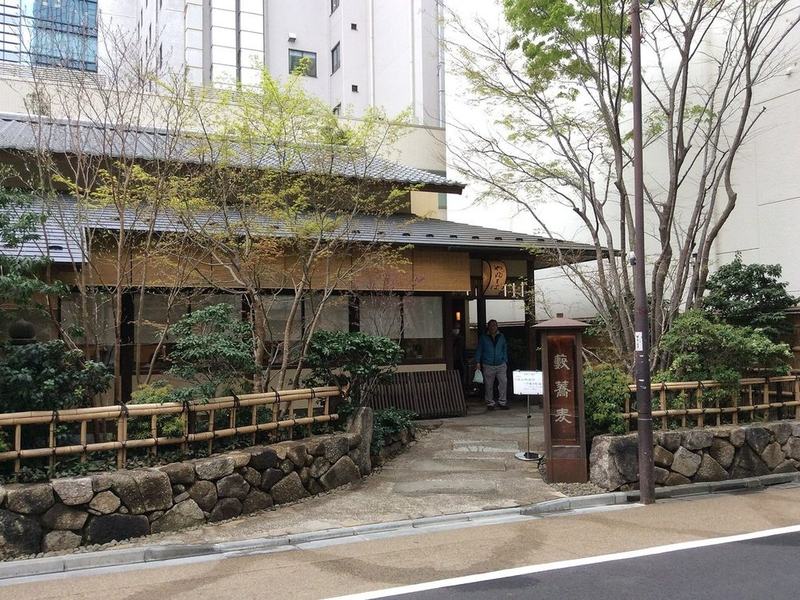 #009Chiyoda
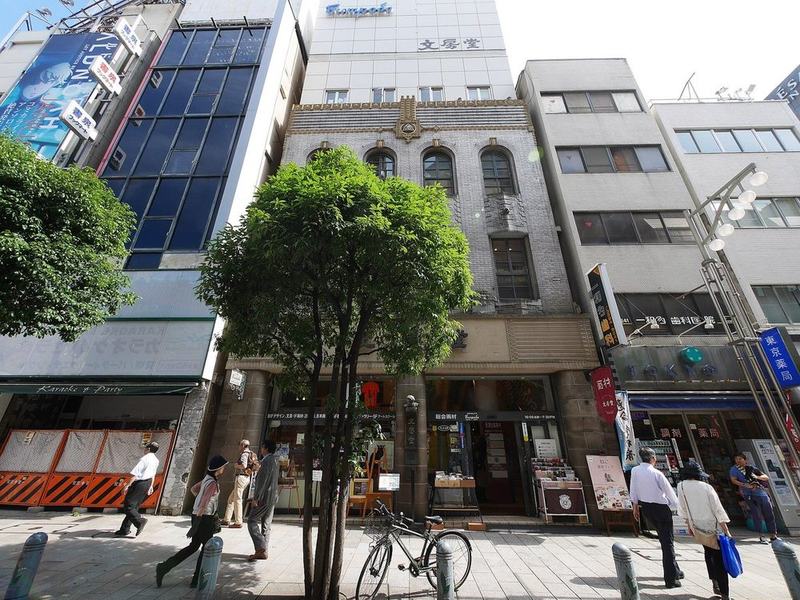 #010Only HereChiyoda
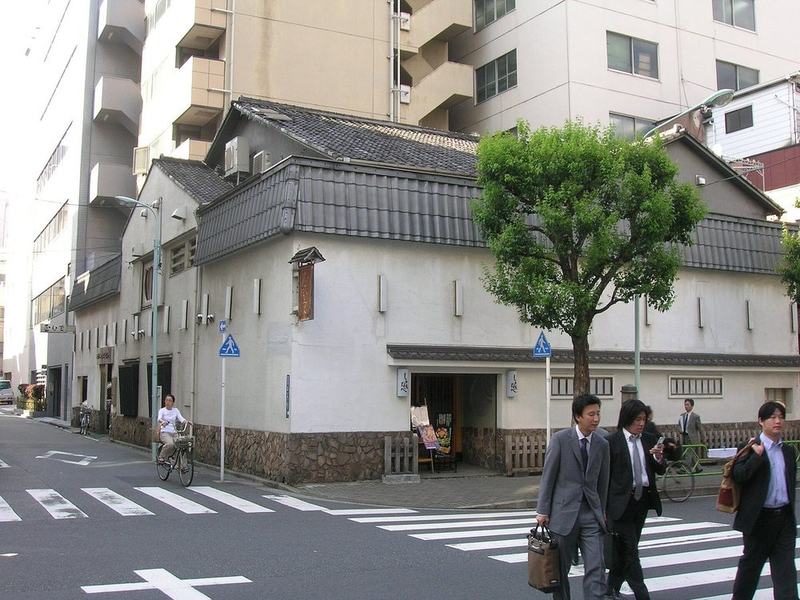 #014Chuo
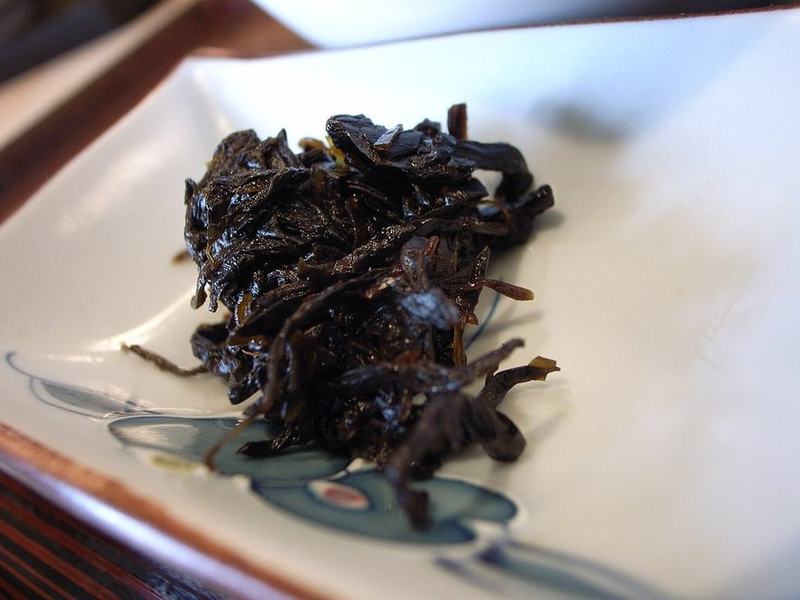 #015Only HereChuo
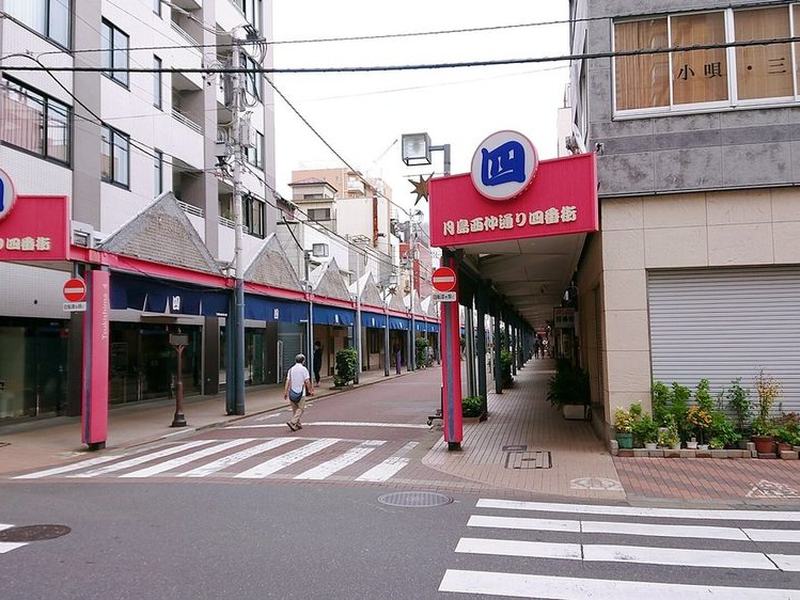 #016Chuo
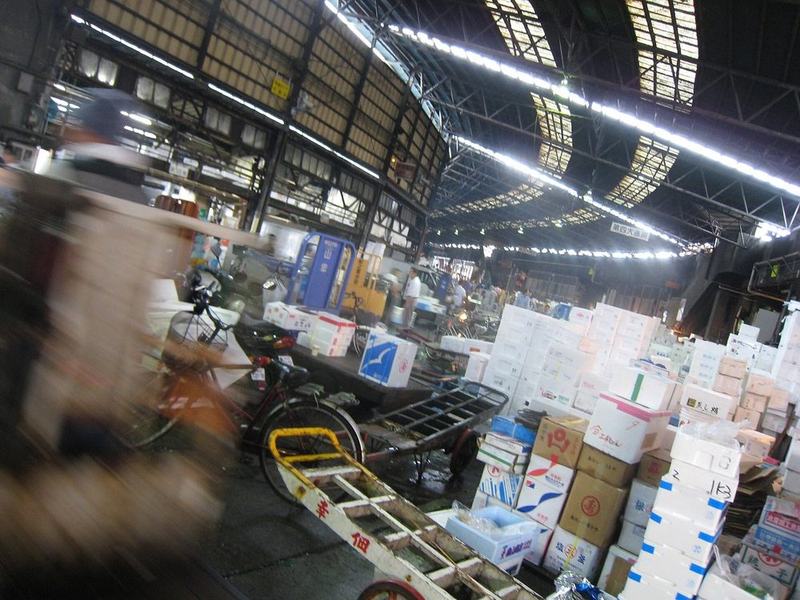 #017Chuo
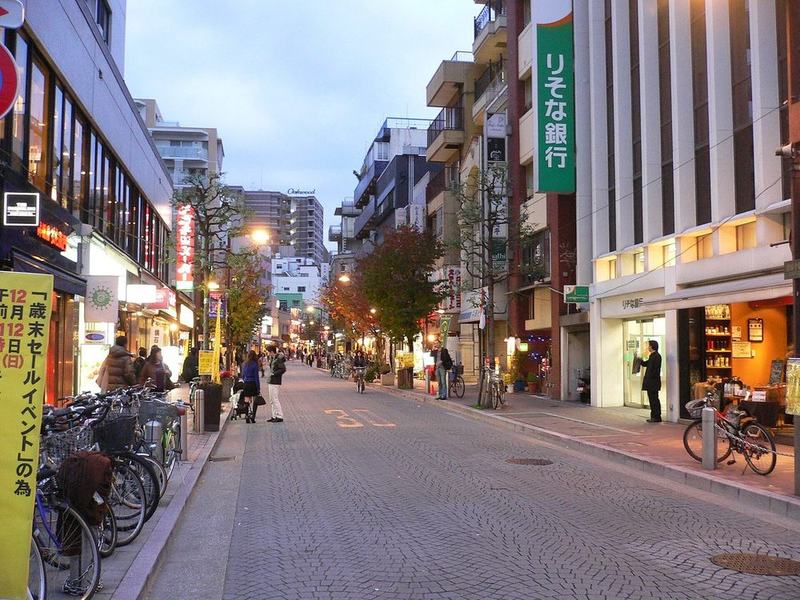 #021Minato
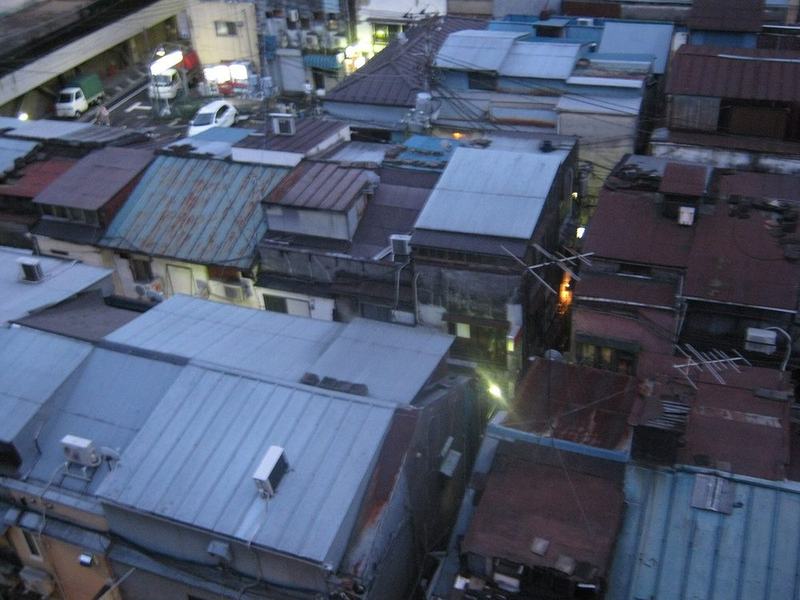 #031Shinjuku
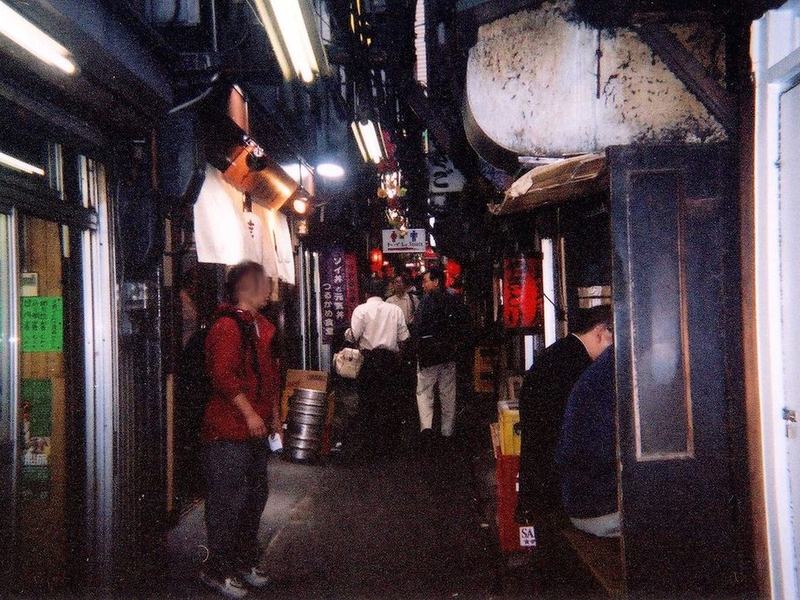 #034Only HereShinjuku
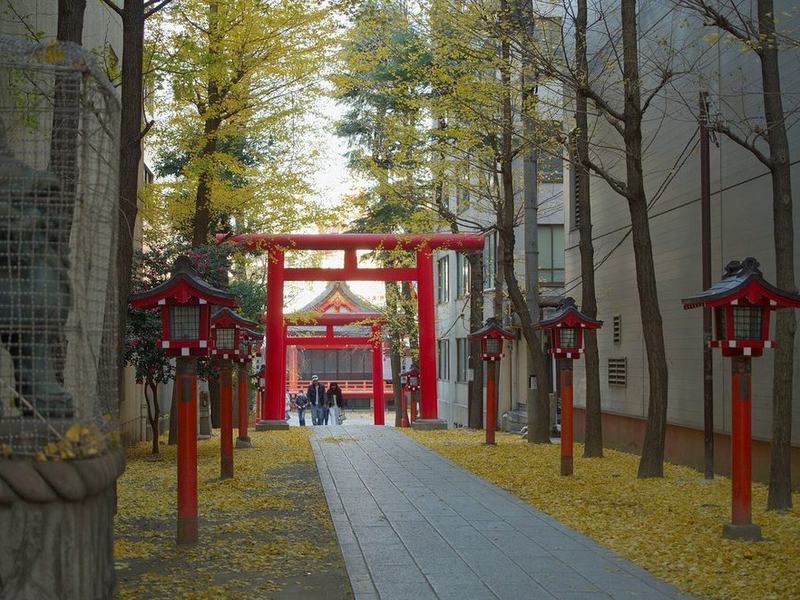 #036Shinjuku
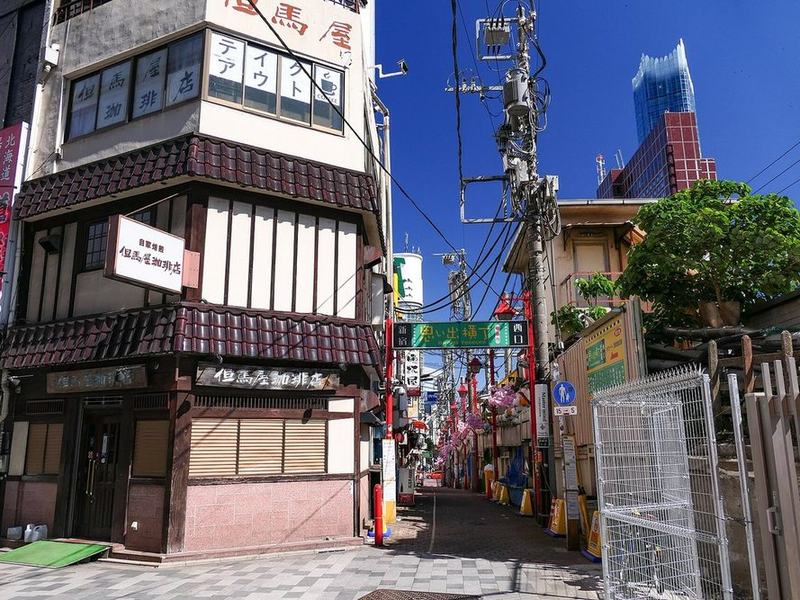 #037Shinjuku
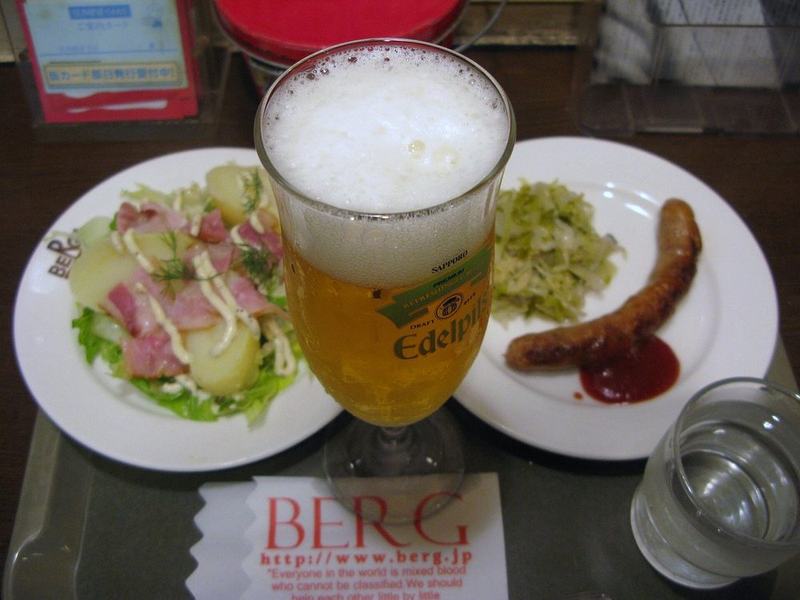 #040Only HereShinjuku
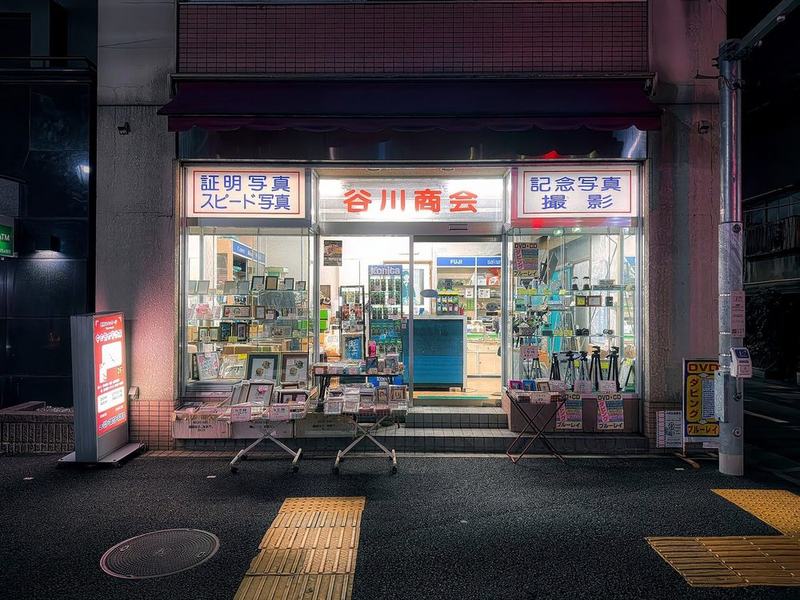 #049Only HereBunkyo
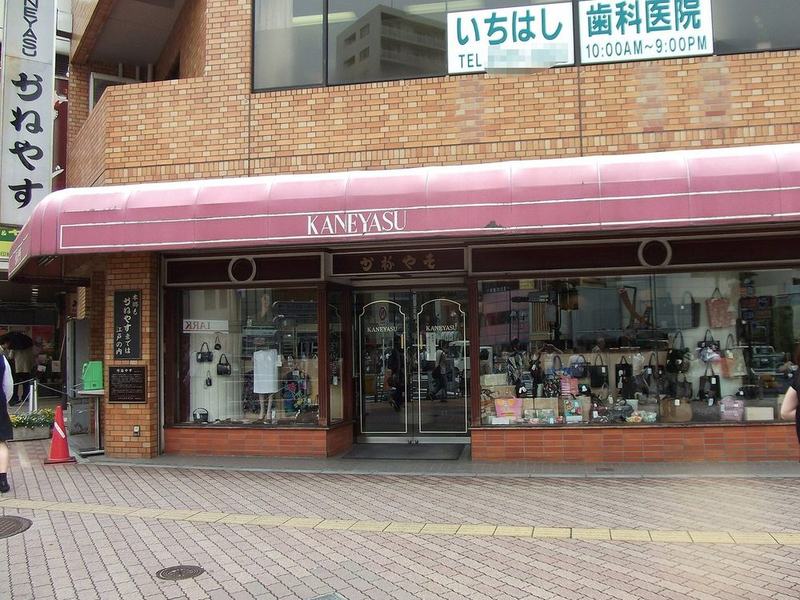 #050Only HereBunkyo
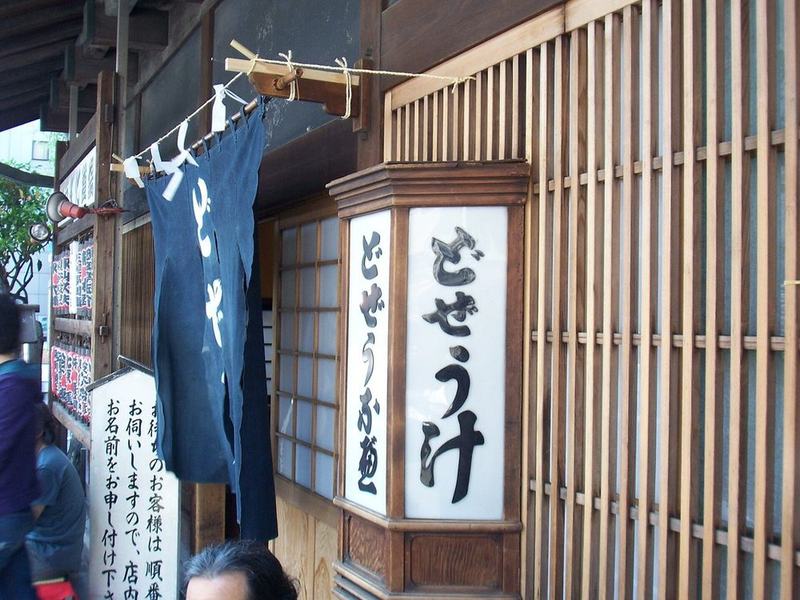 #051Taito
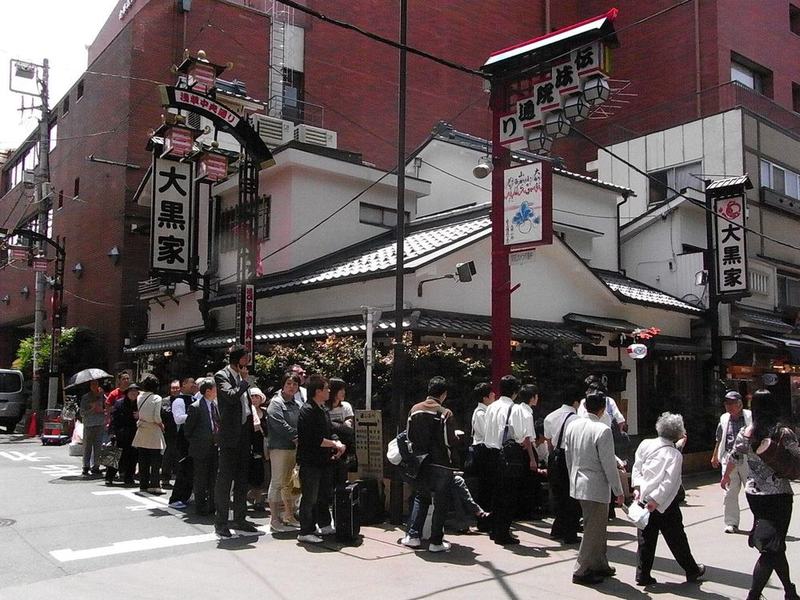 #052Taito
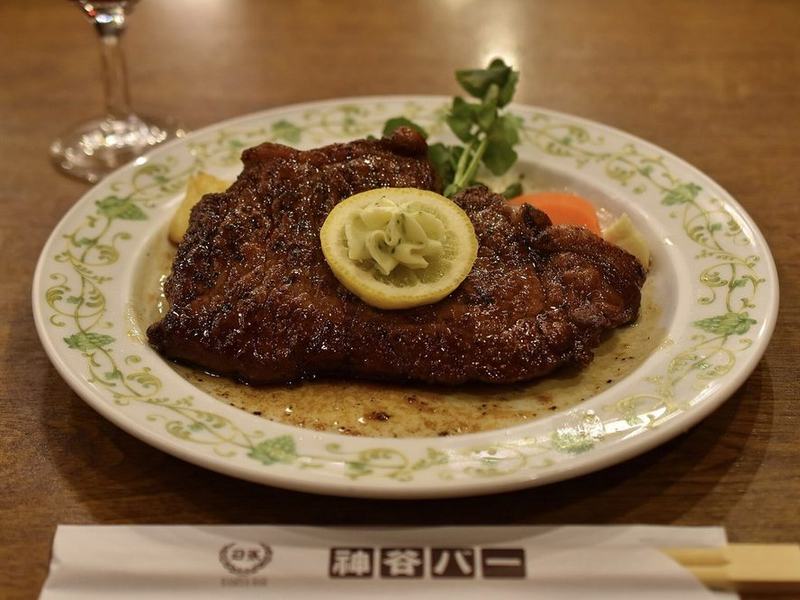 #053Taito
Guidebooks skip these rules for a simple reason: to Tokyo regulars, they are too obvious to spell out.
Many Showa-era cafes, standing bars, and neighborhood bakeries remain cash-only. Keep ¥1,000 notes and ¥100 coins handy for smooth payment.
At evening bars and izakayas, the small starter dish (around ¥300–500) acts as a cover charge. Accept and enjoy it as part of local bar culture.
Never photograph strangers or staff in narrow alleys like Golden Gai or counter bars. Ask briefly before taking a quick shot of your own dish.
Everyone in your party must be present before joining a queue (no line-holding). During lunch rushes, expect friendly table-sharing (aiseki).