Murugi
ムルギー · Murugi
- Ward
- Shibuya
- Price
- ¥1,300~1,700
- Hours
- 11:30-15:00 (L.O.)
- Closed
- Fri, public holidays
- Getting there
- 4 min from Shibuya Stn west exit, in Hyakkendana
- Founded
- 1951
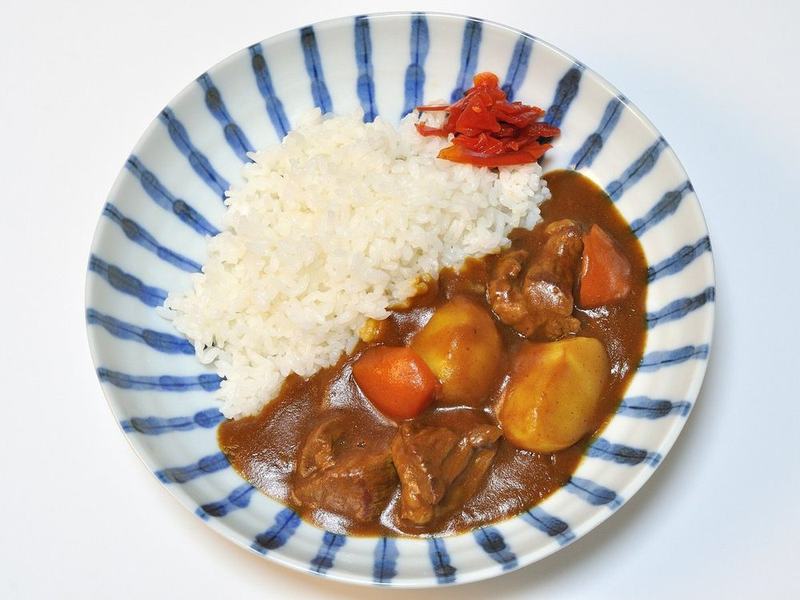
- The rice is heaped into a peak because the previous owner loved mountains
- The founder, a mining engineer, recreated a curry he could not forget from wartime Burma
- The pickles come as red ginger mixed into fukujinzuke
We do not republish copyrighted photographs. Use the links below to see the actual venue.
Obvious to locals, invisible to visitors
There is a simple reason guidebooks leave this out: to the people who live here it is too obvious to be worth explaining.
The rice is heaped into a peak because the previous owner loved mountains — locals call it the Everest serve. The white streak on the sauce is milk, standing in for snowmelt. You eat by collapsing the foot of the mountain into the curry.
The founder, a mining engineer, recreated a curry he could not forget from wartime Burma. 'Murugi' is Hindi for chicken. Despite its near-black colour, the sauce leads with a fruity sweetness before the heat builds.
The pickles come as red ginger mixed into fukujinzuke, plus a yellow tsubozuke on the side — regulars insist the combination is part of the dish. Order it spicy and the ketchup on the egg is swapped for chilli oil.
The Lion classical-music cafe is a minute away, and 'Murugi then Lion' is the standing local itinerary. Seats fill at lunch, so aim for the 11:30 opening.
What it is
Shibuya is a ward where old cafes hold out at the centre of trends. The kitchen is bigger than the dining area. Sound and smell carry straight over, so the wait never drags. Sides are often refillable, but it is polite to ask first. Around two in the afternoon, once the lunch peak has passed, is the quietest window. Leave large bags in a station locker; there is not much room inside. Rather than anchoring your itinerary, it slots naturally into the gaps between other stops.
What to order
Why locals keep coming
Most customers live within walking distance. Disappoint them once and they never return — which keeps the floor high. Prices have barely moved in a decade, meaning the shop has absorbed much of the rise in ingredient costs.