Chuo
中央区 · Chuo
Edo's food culture, surviving on landfill and riverbank, right beside the tourist route.
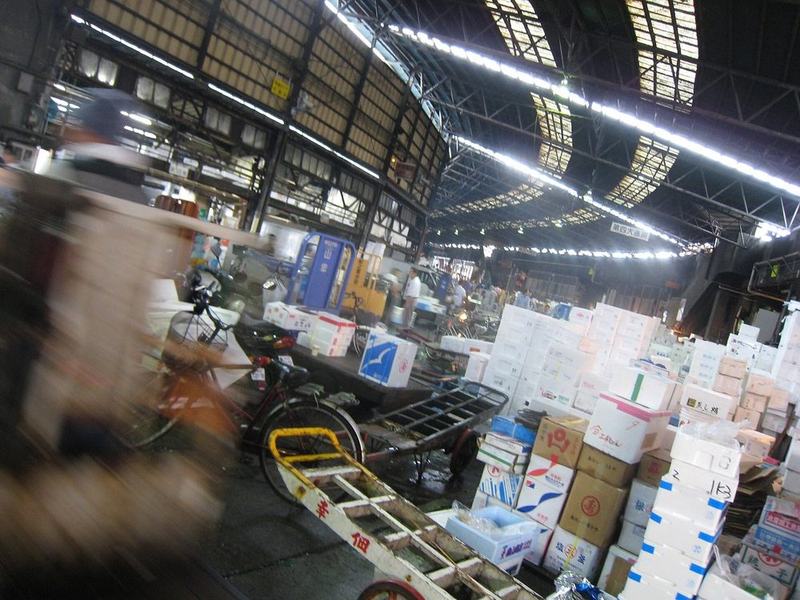
Chuo contains Ginza and Tsukiji, two of Tokyo's biggest draws. This site looks at what sits beside them. The Tsukiji outer market heaves with visitors and yet still functions as a market where restaurants come to buy. Hence the first of the market's eight posted rules: mornings belong to trade buyers. Before nine, it is professionals' time. Tourists who arrive early without knowing this make life hard for everyone.
Tsukuda is a different creature. Fishermen settled this small island at the river mouth and simmered their catch in soy sauce to make it keep — the origin of tsukudani. The word is a place name before it is a dish. A few old shops still work the narrow lanes, and the smell of simmering reaches the street.
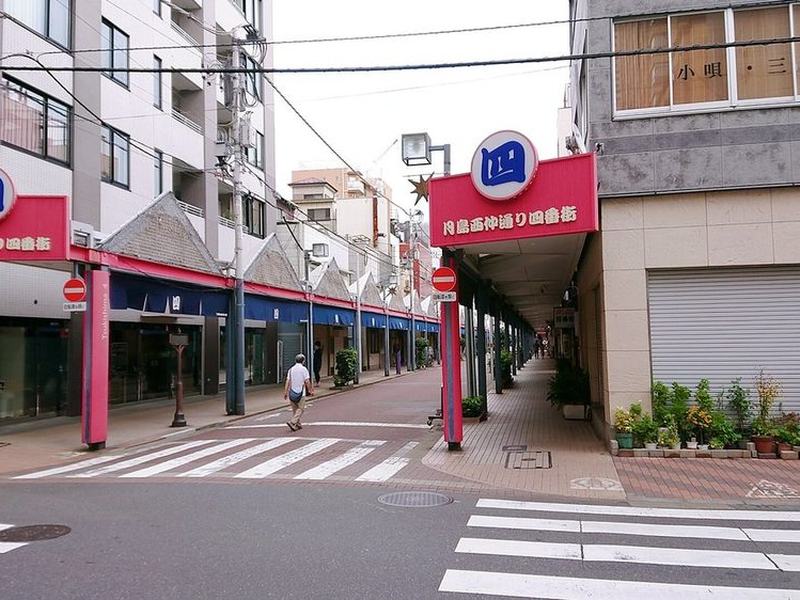
Tsukishima's monjayaki looks like a tourist product, but there is a fixed order to cooking it. Pour the batter in all at once and someone will correct you. You fry the solids first, build them into a doughnut-shaped wall, then pour the liquid inside; you eat straight off the griddle with a small spatula rather than transferring to a plate. What the spots in this ward have in common is a demand that you learn the sequence before you arrive, rather than copying what you see.
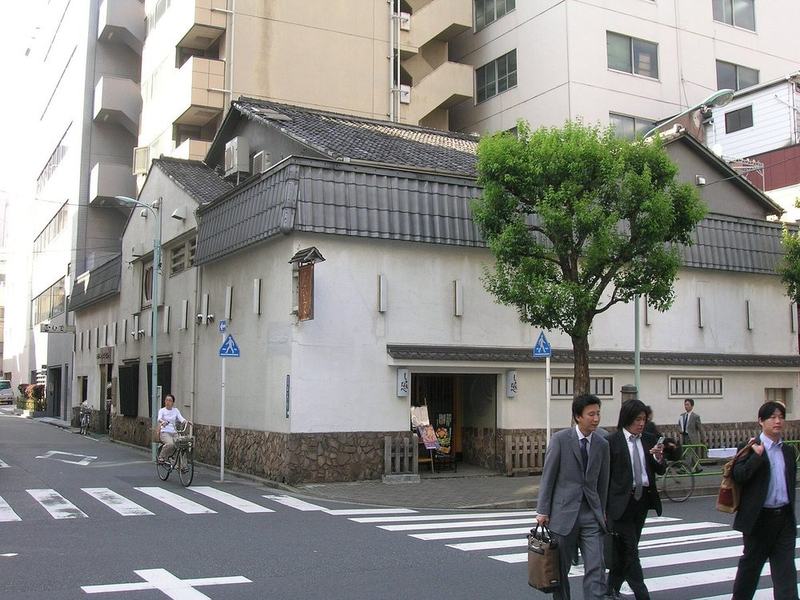 014
Chuo
014
Chuo
Tamahide
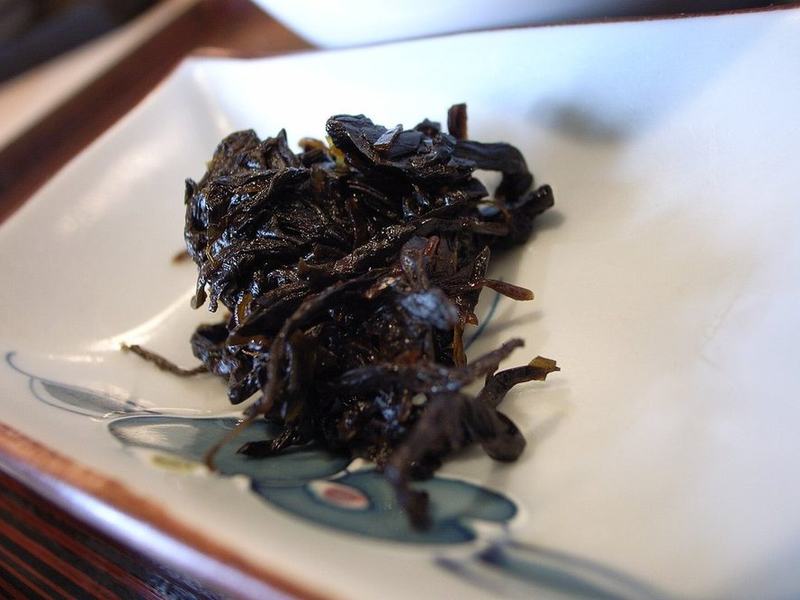 015
Only here
Chuo
015
Only here
Chuo
Tenyasu Honten
 016
Chuo
016
Chuo
Tsukishima Monja Street
 017
Chuo
017
Chuo