Tsukiji Outer Market
築地場外市場 · Tsukiji Outer Market
- Ward
- Chuo
- Price
- Free (meals ¥500~3,000)
- Hours
- varies by shop (roughly 05:00~
- Closed
- Many shops closed Sun, holidays and Wed
- Getting there
- Tokyo Metro Hibiya Line Tsukiji Stn 1·2exit walk 1 min / Oedo Line Tsukijishijo Stn
- The first of the market's eight posted rules is that mornings belong to the buyers
- Eating as you walk is expressly prohibited by the market
- The outer market is a shopping street
We do not republish copyrighted photographs. Use the links below to see the actual venue.
Obvious to locals, invisible to visitors
There is a simple reason guidebooks leave this out: to the people who live here it is too obvious to be worth explaining.
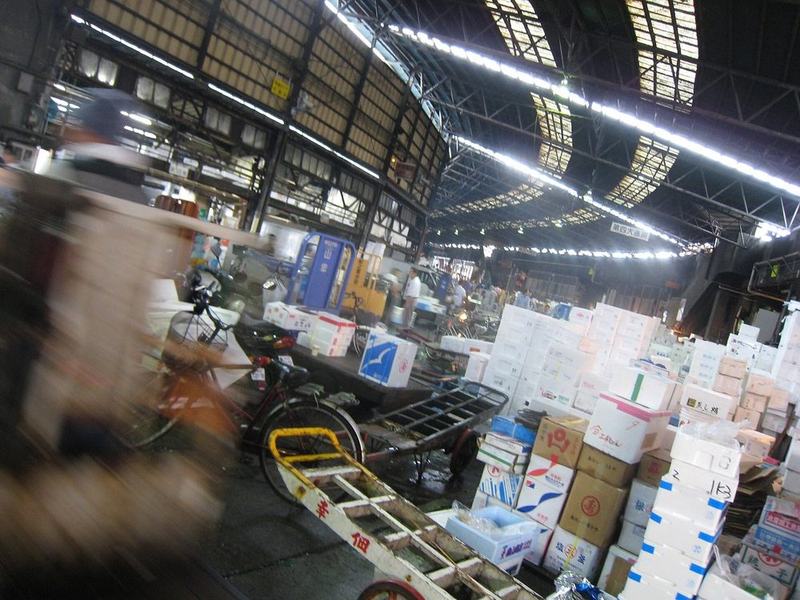
The first of the market's eight posted rules is that mornings belong to the buyers. Until 9am the aisles are for restaurant people sourcing stock, so if you see someone working the stalls, stay out of their way. After nine is when visitors can move comfortably — and go too early and many shops are not open yet.
Eating as you walk is expressly prohibited by the market. The lanes are narrow, and it obstructs and endangers people. The rule is to eat in front of the shop you bought from, or at a designated spot, then move on. Another of the eight rules tells you to leave wheeled suitcases in a coin locker. This is a wholesalers' district before it is a sight.
The outer market is a shopping street, but many shops close on the days the wholesale market does: Sundays, public holidays and Wednesdays. On some of those days more than half are shut, so Monday, Tuesday, Thursday and Friday are the safe bets. Saturday is open but at its most crowded. There is a closure calendar on the official site.
Deeper into the market, especially around the building housing the intermediate wholesalers, you may be stopped from taking photographs — they would rather their goods and dealings were not recorded. Some shops say nothing, but asking first is safer. Plenty of stalls still take cash only, so bring some.
What it is
Chuo is a ward where Edo merchant culture lingers. The kitchen is bigger than the dining area. Sound and smell carry straight over, so the wait never drags. First time? Order the top item. It is usually what the kitchen has been making longest. Around two in the afternoon, once the lunch peak has passed, is the quietest window. Keep the receipt — it makes the name easy to look up later, since many signs are kanji-only. One stop off the tourist line and this is what appears — that is the nature of this city.
What to order
Why locals keep coming
The layout suits solo diners: mostly counter seats, and nobody encourages you to linger. Most customers live within walking distance. Disappoint them once and they never return — which keeps the floor high.