Tenyasu Honten
佃煮 天安本店 · Tenyasu Honten
- Ward
- Chuo
- Price
- ¥1,000~3,000
- Hours
- 09:00-18:00
- Closed
- New Year period
- Getting there
- Tsukishima Stn 6exit walk 4~5 min
- Founded
- 1837
- Tsukudani is named after neither an ingredient nor a method, but a place
- Gift boxes are what catch the eye, but this is a shop that sells by weight from 100g
- Tsukudani began as a fisherman's preserve
We do not republish copyrighted photographs. Use the links below to see the actual venue.
Obvious to locals, invisible to visitors
There is a simple reason guidebooks leave this out: to the people who live here it is too obvious to be worth explaining.
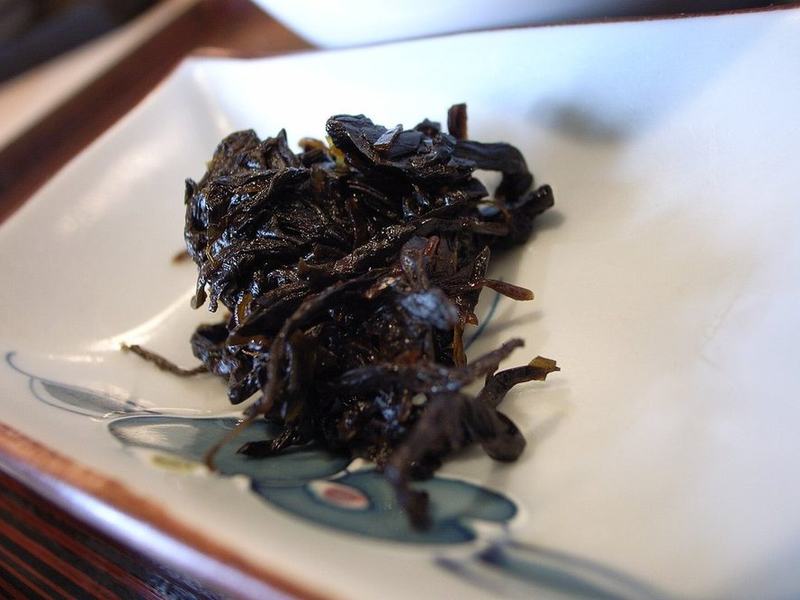
Tsukudani is named after neither an ingredient nor a method, but a place. Fishermen brought from Tsukuda village near Osaka in the early Edo period settled on this island and simmered the leftover small fish they could not present to the shogun, as a preserve. Three tsukudani houses dating from the Edo period still stand side by side in this one block, in a district that escaped the war.
Gift boxes are what catch the eye, but this is a shop that sells by weight from 100g. Some twenty varieties sit in the case, so take a little of whatever interests you. The old style of selling from a raised tatami counter survives, so you can ask the owner which goes with rice and which with drink. Cash only.
Tsukudani began as a fisherman's preserve, built to last when rough seas cut off supplies. So it keeps at room temperature and needs no cooking — few things travel home from Tokyo better. Spoon it onto tofu or fishcake and you have a drinking snack; the shop will tell you it goes with cream cheese too.
What it is
Chuo is a ward where Edo merchant culture lingers. The sign has faded and the doorway is narrow — yet at lunchtime people file through it without a break. Seasonal items go up separately on the wall. They are day-only, so grab one if you see it. Hours go irregular over long holidays; check before setting out. Menus are often Japanese-only; showing a photo or pointing works perfectly well. Rather than anchoring your itinerary, it slots naturally into the gaps between other stops.
What to order
Why locals keep coming
The layout suits solo diners: mostly counter seats, and nobody encourages you to linger. Most customers live within walking distance. Disappoint them once and they never return — which keeps the floor high.