Oimachi Higashi-koji Alley
大井町 東小路飲食店街 · Oimachi Higashi-koji Alley
- Ward
- Shinagawa
- Price
- ¥1,000–3,000
- Hours
- Varies by shop (most open arou
- Closed
- Varies by shop
- Getting there
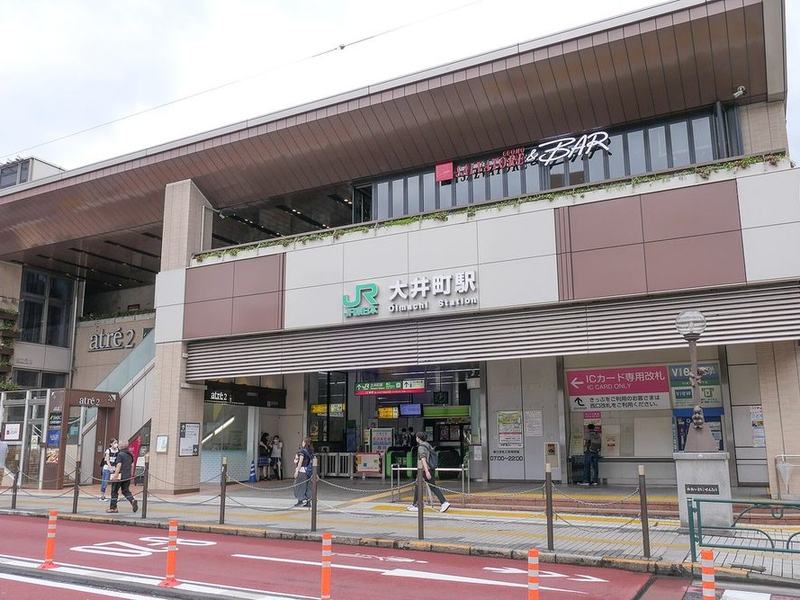
- 1–3 min from Oimachi Station (JR / Rinkai / Tokyu)
- Do not photograph the people in the alley
- Do not settle in at one place
- The shape of a postwar black market
We do not republish copyrighted photographs. Use the links below to see the actual venue.
Obvious to locals, invisible to visitors
There is a simple reason guidebooks leave this out: to the people who live here it is too obvious to be worth explaining.
There are several accounts of visitors being stopped mid-photograph here — 'some people don't want to be in your picture.' Not prying into the circumstances of men drinking from mid-afternoon is the local courtesy. Photographing a sign or the lane itself is one thing; photographing a person is another.
The lane is built for moving on. Each place is tiny and many are standing-only. Two or three drinks and out is the rhythm, and it is what lets the next person in. Stay put in one bar and you miss the point of the street.
After the 1945 air raids levelled the area, the ground around the station became a black market, and modern Oimachi grew out of clearing it up. Higashi-koji and Heiwa-koji are what the clearing missed. Alleys like these were once all over Tokyo; redevelopment has left only a handful.
What it is
Two capillary-thin lanes on the east side of Oimachi Station, packed with bars and squeezed between buildings. The area became a black market after the war, and these alleys survive from the tidying-up that followed. Oimachi was a factory town — the national railway works opened here in 1914 — and this is what remains of the drinking quarter its workers filled.
What to order
Why locals keep coming
What marks this alley out is the high proportion of snack bars over izakaya — it is built for moving from one place to the next rather than settling in. The southern lane crosses Suzuran-dori and runs further east; over James Slope beyond it lies a second cramped drinking lane, Heiwa-koji.