Sendagaya Fuji
千駄ヶ谷の富士塚(鳩森八幡神社) · Sendagaya Fuji
- Ward
- Shibuya
- Price
- Free
- Hours
- Open for climbing at any time
- Closed
- Closed for festivals, cleaning, pruning and the May firelight Noh
- Getting there
- 5 min from JR Sendagaya Station, 5 min from Kokuritsu-kyogijo Station (Toei Oedo Line)
- Founded
- 1789
- Open any day — except when it is not
- The oldest one left in Tokyo
- There is a separate seal for those who have climbed
We do not republish copyrighted photographs. Use the links below to see the actual venue.
Obvious to locals, invisible to visitors
There is a simple reason guidebooks leave this out: to the people who live here it is too obvious to be worth explaining.
The shrine says you may climb at any time. It does close for festivals, for cleaning and pruning, and for the firelight Noh held in May. The shrine also asks visitors to come in daylight — there is no lighting on the mound.
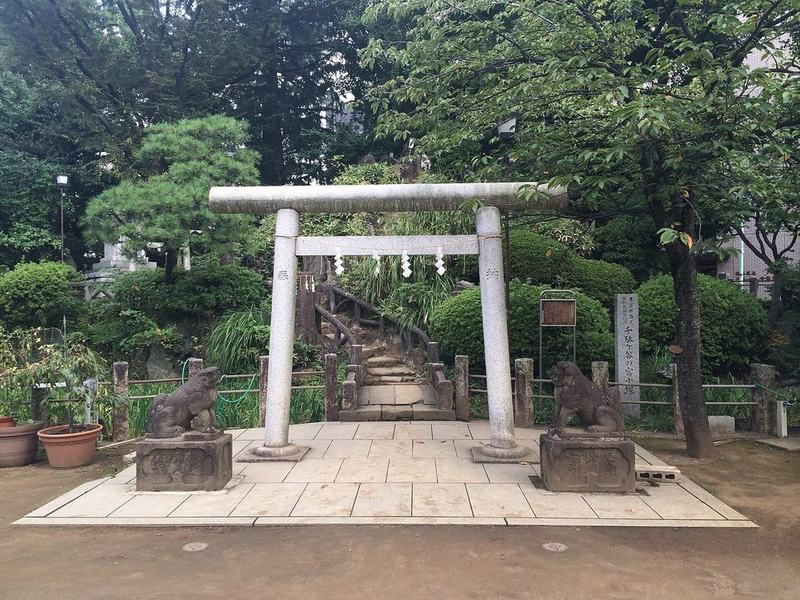
Said to date from 1789. It was repaired after the 1923 earthquake but retains its old form, which earned it the metropolitan designation. Earth is heaped into a round barrow, with lava brought from Fuji laid only near the top. Sources put the height at six metres, or at seven.
A commemorative seal is issued to those who reach the top (500 yen). The office takes requests from nine to five, so if you arrive late and only climb, you go home without one. The grounds are open around the clock; the desk is not.
What it is
The oldest surviving fujizuka in Tokyo, said to date from 1789 and designated a Tokyo Metropolitan Tangible Folk Cultural Property. It was repaired after the 1923 earthquake but keeps its original form: earth heaped into a rounded mound, with lava from Fuji itself set near the summit.
What to order
Why locals keep coming
Sources give the height variously as six or seven metres. The shrine itself is said to have been founded in 860 and is known for its dove-shaped fortune slips. The Japan Shogi Association's hall stands nearby, and players come to pray here.