Kamata Tonkatsu Big Three
蒲田 とんかつ御三家 · Kamata Tonkatsu Big Three
- Ward
- Ota
- Price
- ¥1,200–2,600
- Hours
- Varies by shop (mainly lunch s
- Closed
- Varies by shop
- Getting there
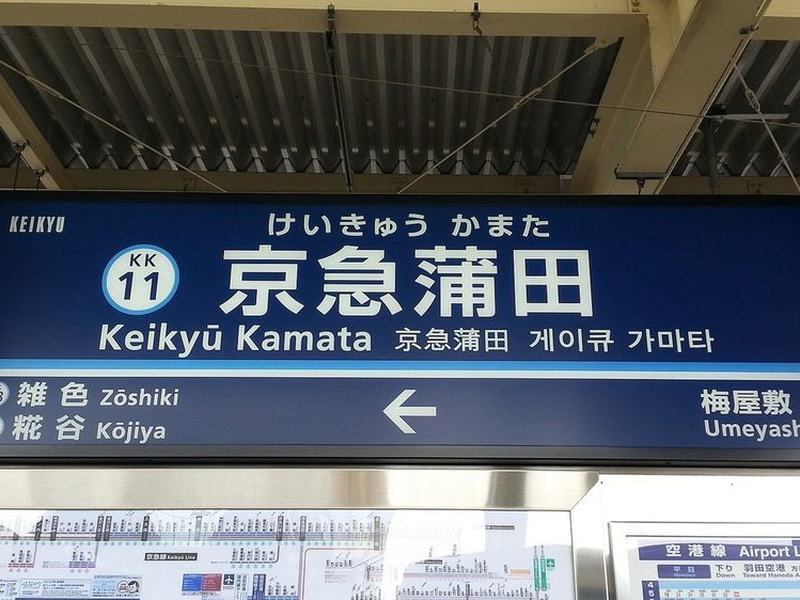
- 3–10 min walk from JR Kamata / Keikyu Kamata
- Cooks who trained in Ueno went independent and gathered here
- All three of the 'big three' use the same branded pork
- You will be told to eat it with salt rather than sauce
We do not republish copyrighted photographs. Use the links below to see the actual venue.
Obvious to locals, invisible to visitors
There is a simple reason guidebooks leave this out: to the people who live here it is too obvious to be worth explaining.
Kamata became a tonkatsu battleground because of the earlier cutlet boom in Ueno. Cooks who trained there set up on their own here, and through sister shops and noren-wake the district now has over fifty places competing.
Maruichi, Aoki and Maruyama Shokudo are known as Kamata's big three. All three use Hayashi SPF, a branded pork from Chiba. The interest lies in how differently the same raw material turns out.
All three set out salt alongside the sauce. Aoki keeps rock salts from around the world; Maruichi puts out salt, soy sauce, mustard and shichimi. Local consensus is that salt lets the sweetness of the fat in a thick loin come through unaltered.
Queues form before opening. Staff work the line with a menu and take orders in advance, so the food arrives soon after you sit — decide while you wait. At Aoki the custom is to start the line across the road rather than at the door.
At Maruichi the top-grade loin has been reported sold out around 11:10, the next grade by 11:30. If you want a particular cut, arrive before opening. Maruichi trades mainly at lunch, with evening service only on Wednesdays and Saturdays.
What it is
Kamata is a battleground where more than fifty tonkatsu shops compete. Three of them — Maruichi, Aoki and Maruyama Shokudo — are known as the big three. All use Hayashi SPF, a branded pork from Chiba, but their frying differs, so the colour of the cut face and the texture diverge. The local method is a thick loin fried slowly at low temperature, leaving the centre a pale pink.
What to order
Why locals keep coming
After the cutlet boom in Ueno, cooks trained there went independent and opened in Kamata; sister shops and noren-wake carried the technique forward. All three set out salt beside the sauce, and local consensus holds that salt best conveys the sweetness of the fat in a thick loin.