스미다구
墨田区 · Sumida
스미다강 제방의 벚나무가 과자 하나를 만들어냈다.
스미다구의 무코지마 일대는 에도 중기까지 논이 펼쳐진 곳이었습니다. 1716년부터 시작된 교호 연간에 8대 쇼군 요시무네가 제방 위에 벚나무를 심게 하면서 꽃놀이 명소가 됐고, 그 손님을 상대하는 찻집이 늘었습니다. 지금 이 사이트가 다루는 사쿠라모치는 그 흐름에서 나왔습니다.
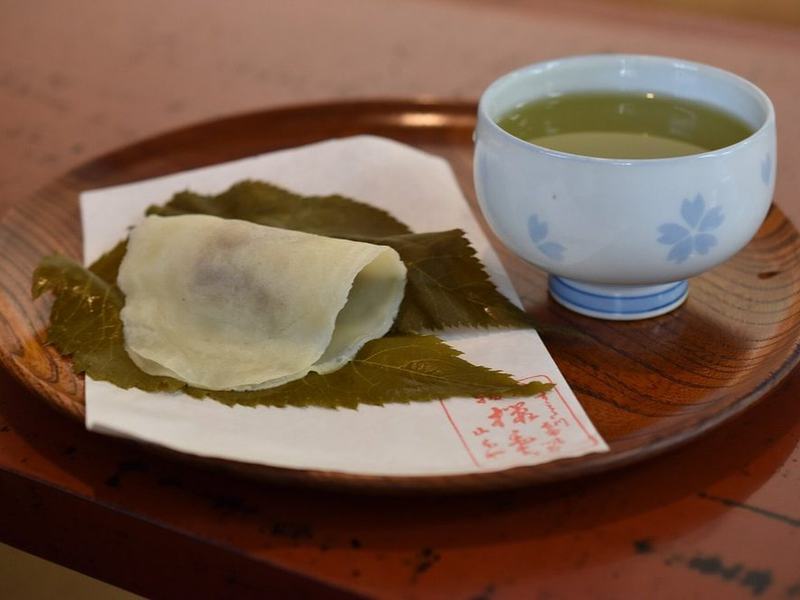
1717년, 창업자가 제방의 벚잎을 통에 소금절임해 두었다가 떡을 감싸 팔기 시작한 것이 에도 사쿠라모치의 시초입니다. 300년 넘게 한 품목만 팔고 있습니다. 벚잎은 향을 입히고 마르는 것을 막기 위한 것이라, 떼고 먹으라는 것이 가게의 안내입니다. 다만 '잎까지 먹는 게 에도 사람'이라는 손님도 있고 한 장만 남기는 절충파도 있어서, 정답은 없습니다.
무코지마는 메이지 중기부터 방적 공장이 들어서고 1899년 도부선이 개통하면서 빠르게 도시화됐습니다. 관동대지진과 공습으로 크게 부서졌지만 공업을 축으로 복구했고, 그래서 지금도 주택과 작은 공장이 섞여 있습니다. 강가를 걷다 보면 관광지의 얼굴과 생활의 얼굴이 몇 블록 간격으로 바뀝니다.
墨田区の向島一帯は、江戸中期まで水田が広がる土地だった。1716年から始まる享保年間に八代将軍吉宗が堤の上に桜を植えさせてから花の名所となり、その客を相手にする茶屋が増えた。いまこのサイトが扱う桜もちは、その流れから生まれている。
1717年、創業者が堤の桜の葉を樽に塩漬けにしておき、餅を包んで売り始めたのが江戸の桜もちの始まりである。三百年余り、一品だけを売り続けている。桜の葉は香りを移し、乾燥を防ぐためのものなので、外して食べるようにというのが店の案内だ。ただし「葉も食べるのが江戸っ子」という客もあり、一枚だけ残す折衷派もいて、正解はない。
向島は明治中期から紡績工場が進出し、1899年に東武線が開通して急速に都市化した。関東大震災と空襲で大きく壊れたが工業を軸に復興し、そのため今も住宅と小さな工場が混じっている。川沿いを歩くと、観光地の顔と生活の顔が数ブロックごとに入れ替わる。
Mukojima in Sumida was paddy field until the middle of the Edo period. During the Kyoho era, beginning in 1716, the eighth shogun Yoshimune had cherry trees planted along the embankment; the place became a blossom-viewing destination and teahouses multiplied to serve the crowds. The sakuramochi this site covers came out of that.
In 1717 the founder salted embankment cherry leaves in a barrel and began wrapping rice cakes in them — the beginning of Edo sakuramochi. Three centuries later the shop still sells that one item. The leaves are there to lend scent and prevent drying, so the shop advises removing them. Some customers insist that eating the leaf is the Edo way, others compromise and keep one. There is no correct answer.
From the late nineteenth century spinning mills moved into Mukojima, and the Tobu line opened in 1899, urbanising it fast. The Great Kanto Earthquake and wartime bombing wrecked much of it, and it rebuilt around industry — which is why housing and small factories still sit side by side. Walk the riverside and the face of the district switches between tourism and daily life every few blocks.