도시마구
豊島区 · Toshima
'할머니의 하라주쿠'와 츠케멘의 원조가 같은 구에 있다.
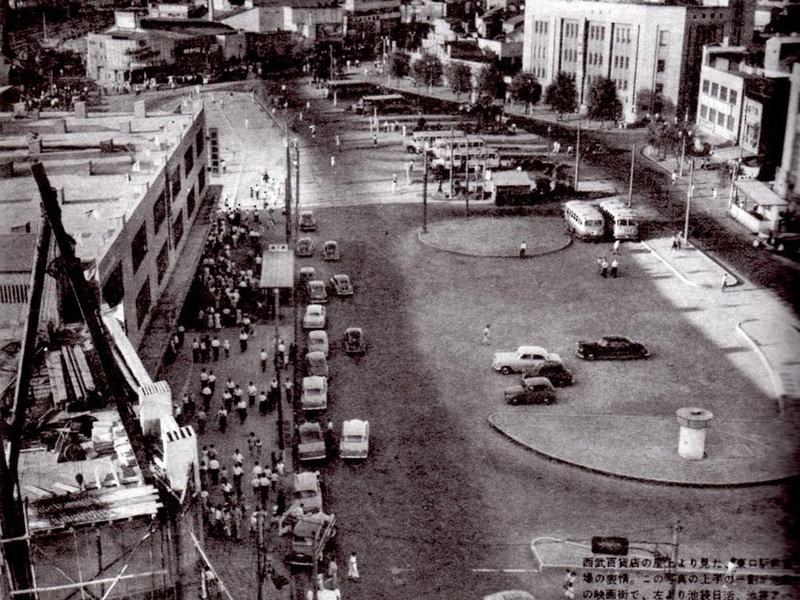
도시마구는 이케부쿠로의 번화가와 스가모의 조용한 상점가가 같이 있는 구입니다. 두 곳의 손님층이 완전히 달라서, 같은 구라는 사실이 잘 실감되지 않습니다.
스가모 지조도리는 '할머니의 하라주쿠'라 불립니다. 여기에는 날짜 규칙이 있습니다. 매달 4일·14일·24일이 엔니치이고, 이 날에만 거리가 완전히 달라집니다. 원래 지장보살의 엔니치는 24일뿐이었는데, 1891년 이곳으로 옮겨온 절이 사람을 부르려고 4가 붙는 날로 늘렸습니다. 이 날짜를 모르고 가면 평범한 상점가만 보고 돌아오게 됩니다.
이케부쿠로 쪽은 라멘의 계보가 걸려 있습니다. 츠케멘의 원조로 꼽히는 계열이 여기서 나왔고, 지금도 그 이름을 쓰는 가게가 여럿입니다. 계보가 갈라져 나온 곳이 많아 같은 이름이라도 맛이 다릅니다. 어느 집이 본가인지를 두고 설명이 엇갈리는 것도 이 계열의 특징입니다.
豊島区は池袋の繁華街と巣鴨の静かな商店街が同居する区である。二つの町の客層がまるで違うため、同じ区だという実感が湧きにくい。
巣鴨地蔵通りは「おばあちゃんの原宿」と呼ばれる。ここには日付の決まりがある。毎月4日・14日・24日が縁日で、この日だけ通りが一変する。もともと地蔵の縁日は24日だけだったが、1891年にこの地へ移ってきた寺が人を呼ぶため、4の付く日に増やした。この日付を知らずに行くと、ふつうの商店街を見て帰ることになる。
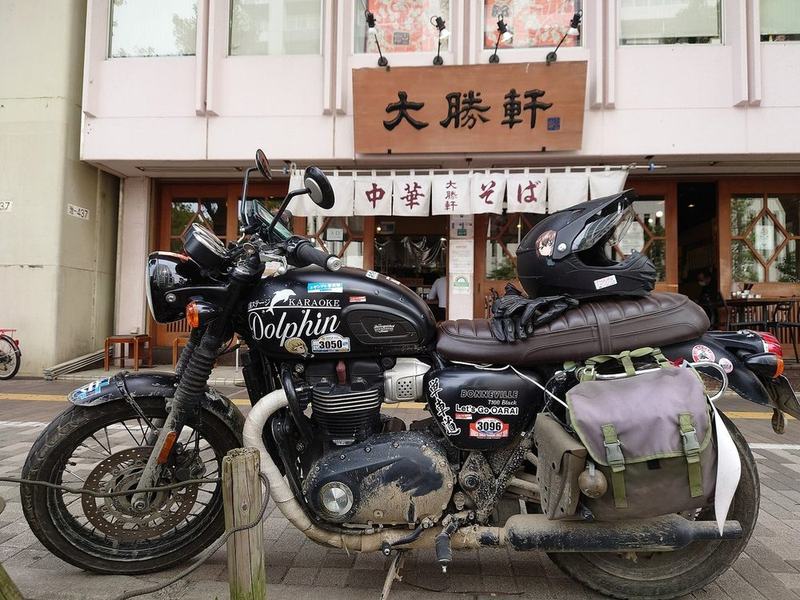
池袋の側にはラーメンの系譜がかかっている。つけ麺の元祖とされる系統がここから出て、今もその名を使う店が複数ある。分かれて出た店が多く、同じ名でも味が違う。どの店が本家かをめぐって説明が食い違うのも、この系統の特徴である。
Toshima contains both the crowds of Ikebukuro and the quiet shopping street of Sugamo. The clientele of the two is so different that it is hard to register them as one ward.
Sugamo Jizo-dori is called the Harajuku for grandmothers, and it runs on a calendar. The 4th, 14th and 24th of each month are ennichi fair days, and only then does the street transform. The Jizo's fair day was originally the 24th alone; the temple that relocated here in 1891 extended it to every day ending in four in order to draw people. Arrive unaware of the dates and you will see an ordinary shopping street.
The Ikebukuro side carries a ramen lineage. The line credited with originating tsukemen came from here, and several shops still trade under the name. Many are offshoots, so the same name does not mean the same bowl — and accounts of which house is the true original conflict, as they tend to in this lineage.
 151
여기서만
도시마구
151
여기서만
도시마구
카부토 (장어)
 153
도시마구
153
도시마구
히가시이케부쿠로 다이쇼켄
 159
도시마구
159
도시마구